The Irresistible Charm of Baby Turtle in Space Helmet
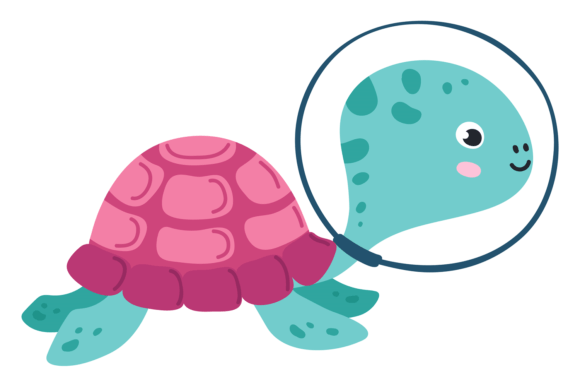
There’s something universally captivating about a character that blends vulnerability with ambition. Baby Turtle in Space Helmet. Cute Animal does exactly that. At its core, this design asset presents a baby turtle—small, gentle, endearing—kitted out in a space helmet, ready for cosmic adventures. It’s not just an illustration; it’s a personality. The visual style is clean, modern, and versatile, with soft curves, expressive eyes, and a sense of playful determination. Whether rendered in vector formats like EPS and SVG or as high-resolution JPGs and transparent PNGs, this cute animal astronaut maintains its charm across scales and backgrounds.
The appeal lies in its storytelling potential. A turtle, often associated with patience and resilience, paired with a space helmet—a symbol of exploration and the unknown—creates an immediate emotional connection. This isn’t just another cute animal graphic; it’s a character with a narrative. For designers, marketers, and content creators, that narrative is gold. It allows for instant engagement, whether used in branding, merchandise, or digital content. The isolated white background in many versions makes it incredibly easy to integrate into various projects without distracting edges or clashes.
Where This Cute Animal Astronaut Truly Shines
The strength of Baby Turtle in Space Helmet. Cute Animal lies in its adaptability. As a premium font might anchor a brand’s typography, this asset anchors visual identity with its distinct personality. It works exceptionally well in contexts where approachability and wonder are key. Think children’s book illustrations, educational materials about space or nature, or branding for eco-friendly products that want to convey a sense of hope and exploration. Its cute factor makes it perfect for merchandise—think t-shirts, stickers, mugs, and posters—where a relatable, huggable character can drive sales.
In digital spaces, this astronaut turtle can elevate social media graphics, website headers, and email newsletters. For bloggers and publishers, it offers a memorable visual hook that can make content more shareable. Entrepreneurs and small business owners can use it to build a friendly, recognizable brand identity, especially in niches like toys, children’s apparel, pet products, or even tech startups aiming for a softer, more human image. The transparent PNG format is particularly useful here, allowing seamless layering over photos, patterns, or solid colors in web design and social media graphics.
Practical Guidance for Using This Design Asset
When incorporating Baby Turtle in Space Helmet. Cute Animal into your projects, context is everything. First, evaluate the project’s tone. This character thrives in friendly, optimistic, and imaginative settings. It might not suit a corporate law firm’s annual report, but it’s perfect for a children’s charity campaign, a sci-fi themed party invitation, or a startup’s playful mascot. Consider the scale—this asset works well as a central hero image or as a subtle supporting element in a larger composition.
Next, think about font pairing if you’re combining it with text. Since this is a display font style illustration—bold and character-driven—pair it with clean, readable typefaces. A simple sans serif font for body text or a soft, rounded script font for headings can complement its whimsy without competing. Avoid overly ornate or highly technical fonts that might clash with its friendly vibe. Test different combinations to see what feels balanced; sometimes a modern typography approach with generous spacing lets the character breathe.
For logo design, this asset can serve as a memorable icon. Imagine it as part of a badge for a space-themed daycare, a patch for a scouting group, or an emblem for an outdoor adventure brand. In editorial design, it can break up text-heavy pages in magazines or reports, adding visual interest and guiding the reader’s eye. For packaging design, especially for products targeting families or young audiences, it can create instant shelf appeal.
Remember the practicalities: check the licensing for commercial use if you’re selling products featuring this character. Most vector formats allow for scaling without quality loss, which is crucial for print projects like posters or banners. The white background versions are ideal for quick mockups and digital use, while transparent PNGs offer more flexibility in complex layouts.
Building a Cohesive Visual Language
Using a strong character asset like this isn’t just about placing a cute image on a page. It’s about integrating it into a broader brand identity. Consider how the turtle’s colors, lines, and expressions can inform other design elements. Maybe the helmet’s reflective sheen inspires a glossy UI button style. Perhaps the turtle’s determined gaze sets the tone for your brand’s voice—optimistic and adventurous. This kind of consistency helps build recognition and emotional connection with your audience.
For content creators, this asset can become a recurring motif. A blogger might use it as an avatar, a newsletter mascot, or a thematic element for series about learning new things (like a turtle slowly mastering the cosmos). Marketers can develop campaigns around it, telling stories that resonate with their audience’s desire for growth and exploration. The key is to use it thoughtfully, not just as decoration but as a meaningful part of the communication.
In the end, Baby Turtle in Space Helmet. Cute Animal is more than a charming illustration. It’s a versatile tool for storytelling, branding, and engagement. Its universal appeal crosses age groups and industries, making it a valuable addition to any creative’s toolkit. Whether you’re designing for print or digital, commercial or personal, this astronaut turtle offers a unique blend of warmth and wonder that can elevate your work and connect with your audience on a human level.