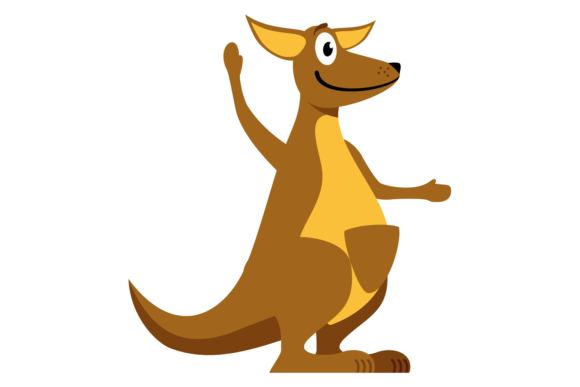
Kangaroo Character: A Happy Smiling Animal for Uplifting Designs
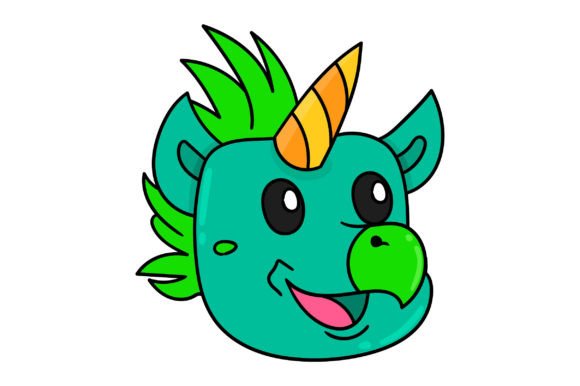
There's an immediate warmth to the Kangaroo Character. It’s not just a font; it’s a happy smiling animal rendered in typographic form. The moment you see its rounded forms and gentle, upbeat curves, you feel a sense of friendliness and approachability. This isn't a cold, geometric sans serif or a stiff, traditional serif font. It’s a creative font with a distinct personality, one that communicates joy, comfort, and a welcoming spirit. Its visual style leans into soft, organic shapes, making it feel more like a hand-drawn illustration than a rigid set of letters. This gives it an authentic, human touch that’s hard to fake.
As a premium font asset, the Kangaroo Character typeface is designed for projects where you want to connect emotionally with your audience. Think about the last time a piece of design made you smile. That’s the power this font wields. Its personality is optimistic without being childish, playful without sacrificing clarity. It’s a display font at heart, built for headlines, logos, and short bursts of text where its unique charm can shine. The overall appeal is versatile enough for children’s content yet sophisticated enough for lifestyle brands, wellness blogs, and any project aiming for a positive, uplifting vibe.
Where This Happy Font Finds Its Home
The strength of a happy smiling animal like this lies in its broad application. It’s a workhorse for brand identity projects that need to convey trust and friendliness. A children’s toy company, a local bakery, a pet care service, or a community-focused non-profit would find an immediate ally in this typeface. Its legibility in short-form text makes it a star for logo design, where instant recognition and positive association are key. It becomes the face of the brand, literally.
Beyond logos, this modern typography choice excels in packaging design. Imagine a box of organic snacks or a line of artisanal candles using this font. It immediately tells a story of care and quality. For editorial design, it can be used sparingly for pull quotes or section headers in magazines and blogs focused on family, lifestyle, or creativity, adding a burst of energy to the layout. In the digital realm, it’s perfect for social media graphics. A motivational quote, a sale announcement, or a welcome message on a website header set in this typeface feels more personal and engaging. It’s a design asset that cuts through the noise of generic, corporate fonts.
Practical Guidance for Implementation
Choosing the right font pairing is crucial to unlock its full potential. The Kangaroo Character is a display font, so it demands a neutral partner for body text. A clean, readable sans serif font or a simple serif font will provide the necessary contrast and ensure your longer paragraphs remain easy to read. Avoid pairing it with another expressive script font or handwritten font, as that would create visual chaos. The goal is balance: let the happy kangaroo headline while a reliable companion handles the details.
Before committing, evaluate its fit for your project’s tone. Does your brand voice align with its friendly, approachable character? Test it by creating mockups. Place it on a website hero image, a business card, and a social media post. See how it interacts with your color palette and imagery. Review the included styles—does it come with alternates, ligatures, or multiple weights that add flexibility? For commercial projects, always verify the commercial font license to ensure it covers your intended use, whether for a client’s logo, merchandise, or digital products.
Ultimately, the Kangaroo Character is more than just a set of letters. It’s a strategic tool for shaping perception. Its modern typography design influences readability by being clear in its intended context. It builds visual hierarchy by drawing the eye to key messages. It fosters brand perception by embedding a consistent, positive emotion into every touchpoint. For designers, marketers, and creators, it’s a way to inject genuine warmth into a project. It doesn’t just represent words; it represents a feeling—one of a happy, smiling animal ready to welcome your audience in.